

How to Stay Hydrated During Summer

 sigis
sigis  Jun 30, 2026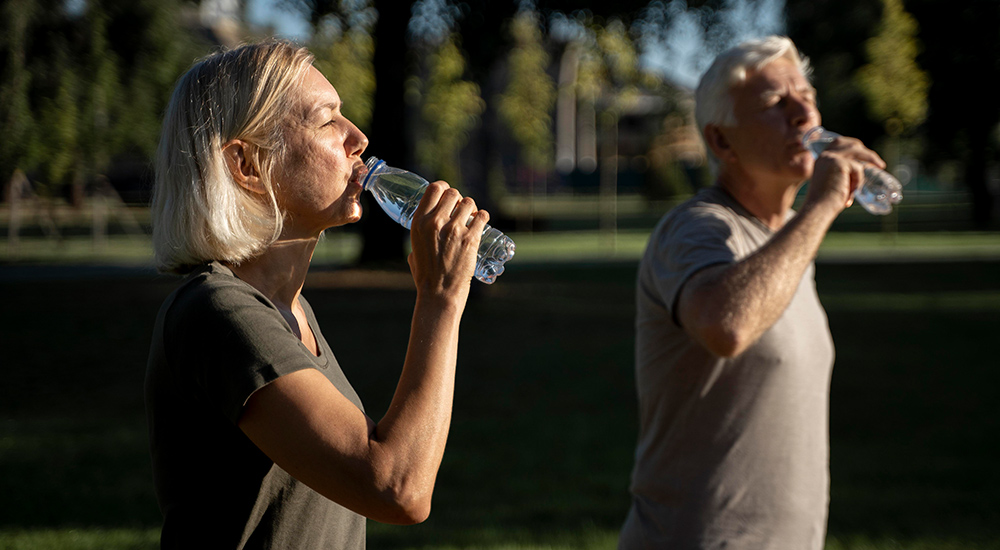
Summer heat can be hard on the body, especially when temperatures rise and we lose more fluids through sweating. Staying hydrated is one of the simplest ways to protect your energy, digestion, circulation, and overall health during warmer months.
Water is the best place to start. Try to drink fluids regularly throughout the day instead of waiting until you feel very thirsty. In hot or humid weather, your body may need more water than usual, especially if you are working outside, exercising, gardening, or spending time in the sun. The CDC recommends drinking smaller amounts more often during heat exposure, such as about one cup of water every 15–20 minutes when working in the heat. (stacks.cdc.gov)
You can also support hydration through food. Fruits and vegetables such as watermelon, oranges, cucumbers, berries, lettuce, and tomatoes contain high water content and can help you maintain fluid balance. If you are sweating heavily, exercising, or spending long hours outdoors, an electrolyte drink may be helpful. Mayo Clinic notes that cool water is important in hot or humid weather, and sports drinks may help during outdoor work or exercise. (mayoclinic.org)
Watch for signs of dehydration, including dry mouth, fatigue, headache, dizziness, dark yellow urine, muscle cramps, or feeling unusually weak. Older adults, young children, and people with chronic medical conditions may be more vulnerable during extreme heat.
A few simple habits can make a big difference: carry a water bottle, drink water with meals, limit alcohol and sugary drinks, take breaks in the shade, and avoid heavy outdoor activity during peak heat hours.
If you have ongoing digestive symptoms, vomiting, diarrhea, dizziness, confusion, or signs of severe dehydration, seek medical care promptly. Staying hydrated is a daily habit—but in summer, it becomes essential preventive care.

It’s easy to put off a checkup when you feel fine. But some of the most serious health conditions, including many digestive and gastrointestinal diseases, develop silently for years before symptoms appear. By the time discomfort shows up, a condition may already be advanced. Preventive checkups exist precisely to catch problems before they become emergencies,… Continue reading Why Preventive Checkups Are One of the Smartest Health Decisions You Can Make
September 3, 2026 Read More