

Daylight Saving Time Ends How the Clock Change Affects Your Sleep and Your Gut

 sigis
 Nov 2, 2026
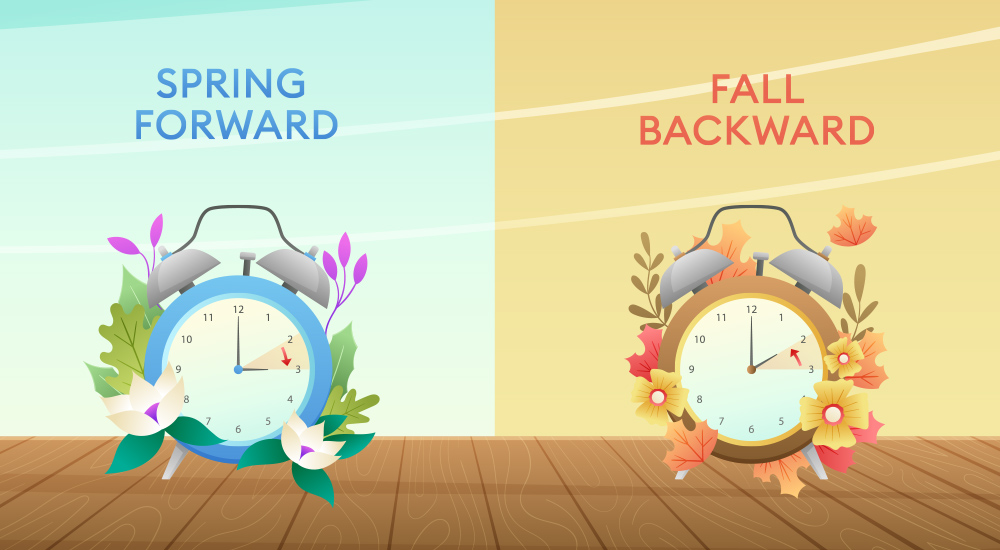
On Sunday, November 1, clocks in the USA “fall back” one hour as daylight saving time ends. An extra hour of sleep sounds like a gift, but for many people the change quietly disrupts sleep, energy and even digestion for days afterwards.
Your body runs on an internal clock, called the circadian rhythm, that is set mainly by light. When the clock on the wall changes, your internal clock takes time to catch up. Earlier sunsets and darker evenings can also shift when you feel sleepy, leaving some people waking too early or feeling groggy in the afternoon.
Your digestive system follows the same daily rhythm. Hunger hormones, stomach acid and bowel habits all run on a schedule. When sleep is disrupted, many people notice changes in appetite, more late-night snacking, or a flare of heartburn and irregularity.
Most people adjust within a week. If you have ongoing trouble sleeping, frequent heartburn at night, or digestive changes that do not settle, it is worth getting checked.
At Sigis Carbondale, Dr. Zahoor Makhdoom and our team help patients across Southern Illinois with reflux, digestive health and more. Call us at 618-549-8006

From Thanksgiving to New Year's, the festive season is full of celebrations, travel and rich food. It is also when many people feel tired, bloated and run down. With a few smart choices, you can enjoy every gathering and still feel your best. Why the holidays drain your energy Large, heavy meals take a lot… Continue reading How to Stay Energized Through the Festive Season
November 2, 2026 Read More