

What Is a UV Factor, and Why Is It Important in Southern Illinois?

 sigis
sigis  Jun 30, 2026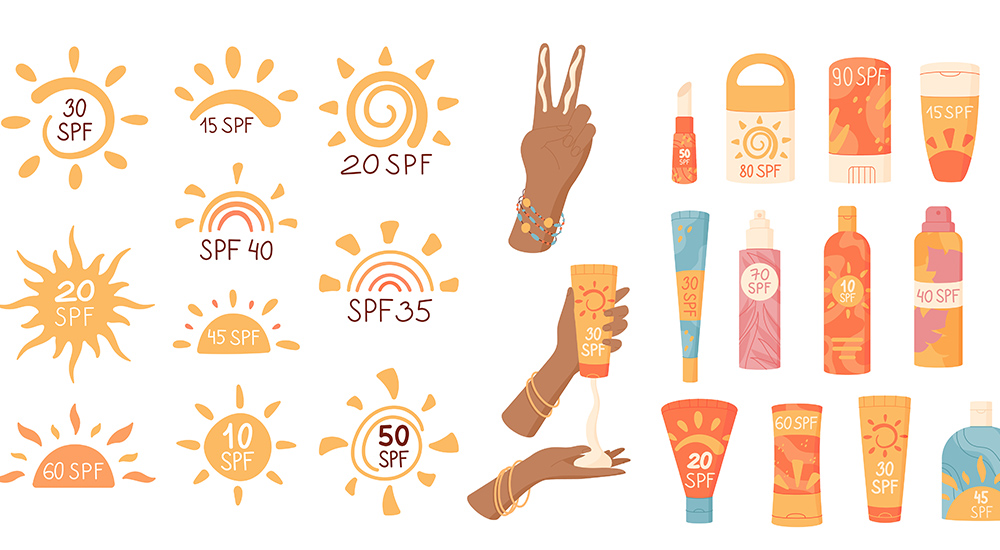
When we talk about the “UV factor,” we are usually referring to the UV Index — a daily measure of how strong the sun’s ultraviolet rays are in your area. The UV Index is measured on a scale from 1 to 11+, with higher numbers meaning a greater risk of skin and eye damage from unprotected sun exposure.
This matters in Southern Illinois because summer days can bring strong sun, high heat, outdoor activities, yard work, sports, lake trips, and long hours outside. Even on cloudy days, UV rays can still reach your skin. The CDC notes that UV rays can damage skin cells and that most skin cancers are caused by too much UV exposure. Protection is important year-round, not only during summer. (cdc.gov)
A UV Index of 1–2 is considered low. From 3–7, sun protection is recommended, especially during late morning through mid-afternoon. At 8 or higher, the risk becomes very high to extreme, and extra protection is needed. The EPA recommends shade, protective clothing, sunglasses, and broad-spectrum sunscreen when UV levels rise. (epa.gov)
For families in Southern Illinois, checking the UV Index before heading outside can help prevent sunburn, premature skin aging, eye irritation, and long-term skin damage. The strongest UV exposure usually occurs between 10 a.m. and 4 p.m., so planning outdoor work or exercise earlier in the morning or later in the evening can reduce risk. The National Weather Service also recommends SPF-30 sunscreen, sunglasses, wide-brimmed hats, and limiting midday sun
exposure when UV levels are high. (weather.gov)
Simple habits make a big difference: apply sunscreen before going outside, reapply after sweating or swimming, wear lightweight long sleeves when possible, use sunglasses with UV protection, and seek shade during peak sun hours.
In Southern Illinois, enjoying the outdoors is part of summer life. Knowing the UV factor helps you enjoy it safely.

It’s easy to put off a checkup when you feel fine. But some of the most serious health conditions, including many digestive and gastrointestinal diseases, develop silently for years before symptoms appear. By the time discomfort shows up, a condition may already be advanced. Preventive checkups exist precisely to catch problems before they become emergencies,… Continue reading Why Preventive Checkups Are One of the Smartest Health Decisions You Can Make
September 3, 2026 Read More